

Over the past year, we’ve run several rounds cultural onboarding programmes with a clear focus: helping newcomers understand the company’s culture, meet its people, and take an active role in discovering what the company is about. Looking back at the past year of onboarding, what learnings are we taking with us?
What the Programme Focuses On
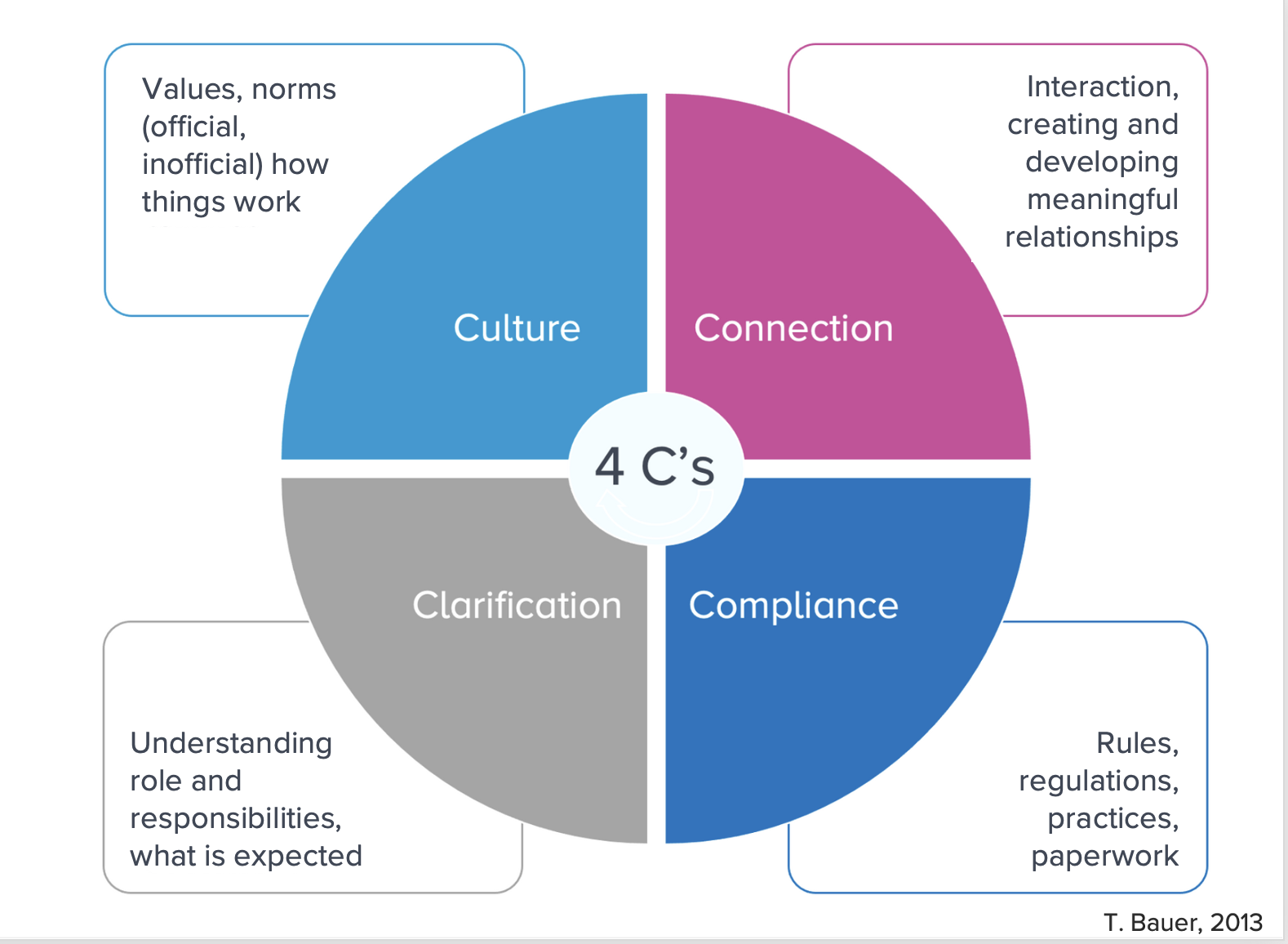
The starting point for the programme are the 4 C’s of onboarding: compliance, clarification, connection, and culture. Where many companies focus especially on the first two, we know how important giving equal room to culture and connection is. We also know these ‘’soft’’ elements also benefit from stucture. That’s why day‑to‑day task training still sits with managers and teams; this programme is about something else – engagement, belonging, and connection.
The programme is 2,5 months long and is made up of practical tasks that guide newcomers to explore company history, understand different areas of the business, and actively meet people outside their immediate team. Instead of long one‑way presentations, we ask participants to speak with colleagues, compare perspectives, and share their insights.
People learn culture through stories and discovery. Hearing how others joined, what they do, how they have grown, and what they care about gives newcomers a grounded sense of “how things are done here”. It also helps newcomers set up strong networks from the start. Knowing who does what and who to reach out to sets a strong foundation for better collaboration in the future.
Human Interaction Still Matters
A reccuring theme from the past year is the importance of human interaction, especially in international and remote settings. When you mostly interact with your colleagues through the screen, the meetings in the corridor disappear. It’s easy to feel isolated and detached from the organisation. You get to know your team, but it’s harder to get to know other ‘’random’’ colleagues.
Feedback from participants has been very consistent. They want to know who their colleagues are, who they can turn to with questions, and who is working on what. Even short, guided conversations outside their team—such as a 20‑minute chat with someone in another department—have had a big impact on how welcome they feel.
These early connections matter. When people know a few friendly faces and understand who does what, their confidence grows. They are more willing to ask questions, admit what they don’t know, and offer ideas. Belonging is built through small, repeated interactions and the experience of being acknowledged and included, instead of a single orientation session.
Over time, we have seen that structured “go meet someone new” tasks are very impactful. In any organisation, relationships are not a nice‑to‑have extra; they are a key part of how work gets done and how people decide whether they want to stay.

Real Business Challenges Create Real Engagement
Another insight is the power of using real business challenges in onboarding. As part of the programme, leaders present genuine questions they are working on. For example questions around entering a new market, improving a customer journey, or addressing an internal bottleneck. Newcomers are then asked to work in small groups to explore the topic, speak with relevant stakeholders, and propose ideas and solutions.
This approach does several things at once. Engagement increases, because people know the question is real and that their input might influence an actual decision. They take the task seriously and feel that they are contributing, not just “doing an exercise”.
It also gives newcomers a structured way to learn about the company. To work on the challenge, they have to seek out colleagues, understand different perspectives, and see how decisions are shaped. Instead of being told about the company, they experience the organisation through active discovery and action.
Finally, it sends a strong message: you are welcome to add value from the beginning. Fresh eyes can notice things that long‑term employees miss, and the questions newcomers ask open doors for new ideas.
Participants have time and time again said that this was the most enjoyable and valuable activity in the programme.
Time Pressure Is The Biggest Struggle
The biggest challenge we’ve encountered is something most of us struggle with, time. Both newcomers and managers feel pressure to focus on immediate tasks and delivery, especially in busy or high‑growth environments. It can be hard to justify stepping away from urgent work to attend a session or complete an assignment that is not directly tied to today’s to‑do list, but it often come with hidden costs.
In the company we work with a pattern has emerged: in teams where managers support participation and protect time for the cultural onboarding activities, new hires tend to stay longer and feel more committed. In teams where the programme is treated as optional, or squeezed in around other work, there is more frustration, and in some cases higher attrition.
Skipping cultural onboarding can create an illusion of efficiency. Yes, someone might reach basic task competence slightly faster. But if they feel disconnected from the bigger picture, unclear about how they fit in, or unsure whether this organisation matches their values, the risk of losing them increases. Replacing and retraining later is far more expensive than investing a few focused hours early on.
Managers play a key role here. When they tell new hires, “This programme matters; I want you to make time for it,” it sends a strong signal about priorities: the company is willing to invest in the long term success of their newcomers from the start.
Conclusion
Looking back, this year has reinforced the idea that successful onboarding is about more than just instructions; it is about identity and belonging. The 4 C’s (compliance, clarification, connection, and culture) are all needed.
When onboarding is successful, newcomers learn their job, but more than that, they start to understand who they are joining, why their work matters, and who they can lean on.
Ready to step-up your onboarding?
If you’d like step-up your onboarding process, contact us at: info[at]talentmiles.pro